 Setting up the Network
This model was realized during an intership in summer 1997 by Arnaud Delorme. It is an example of how a simple hierarchical network of integrate-and-fire neurons can detect figures in noisy images. It was the first application of SpikeNET (but it has not been published in english).
Setting up the Network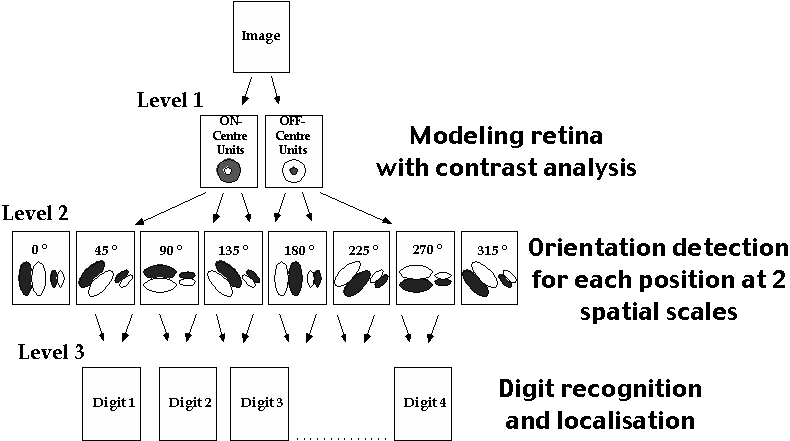
Learning
Performance of the network
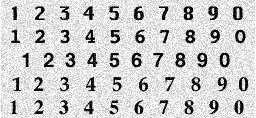
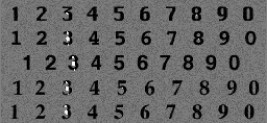
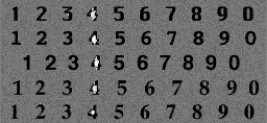
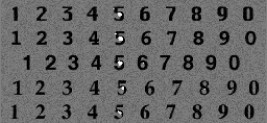
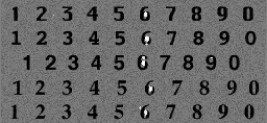
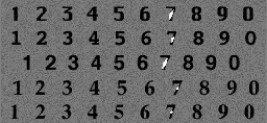
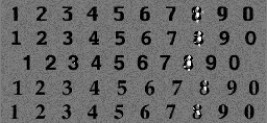
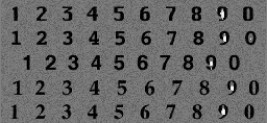
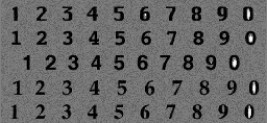
Initial image
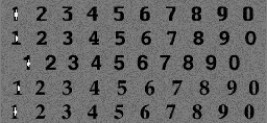
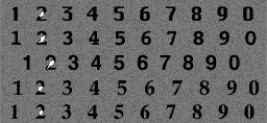
Neuron recognizing Digit
ranging from 0 to 9 in different fonts
(contrast of initial image divided by
2 + spikes in the neuronal map)
 |
 |
 |
 |
 |
 |
 |
 |
 |
 |
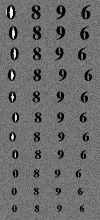
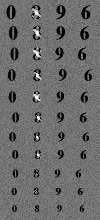
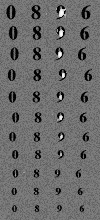
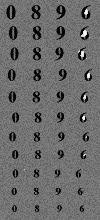
Resistance to variation in size
initial image

Digit recognition for 0, 8, 9 and 6 at various sizes
 |
 |
 |
 |